
Full Grain Leather Belts: A Comprehensive Guide
Full Grain Leather Belts: Everything You Need to Know
Belts aren’t just for keeping your pants up—they’re an essential part of your outfit. And when it comes to quality and style, full grain leather belts are a step above the rest. Known for their durability and timeless look, these belts are a favorite for anyone who appreciates great craftsmanship. In this article, we’ll cover everything you need to know about full grain leather belts, what makes them special, and why they’re worth investing in.
What Is Full Grain Leather?
A Quick Look at Leather Grades
Not all leather is the same, and knowing the difference is key when shopping for a belt. Full grain leather is the best type of leather you can get. It comes from the top layer of the hide, keeping all the natural grain intact. Unlike other types of leather that are sanded or treated to remove marks, full grain leather is left as-is, which gives it a natural, authentic look. Content on this page may be created and/or edited with AI.
Why Full Grain Leather Stands Out
What makes full grain leather so special? For starters, it’s incredibly strong. Since it keeps the top layer of the hide, it doesn’t crack or peel easily. Plus, it develops a patina—a soft shine and color change—that only adds to its charm as it ages. This is what makes full grain leather belts look better the longer you use them.
A Short History of Leather Belts
From Tool to Trend
Leather belts started out as a functional item—just something to hold up pants or carry tools. Over time, though, they became a part of fashion. People started using belts to show off their personal style, and now they’re a go-to accessory for just about any outfit.
 Content on this page may be created and/or edited with AI.
Belts Around the World
Leather belts have been used in different ways across cultures. In medieval times, knights wore belts to show their rank. In some cultures, belts were decorated to represent wealth or power. Today, they’re mostly about style and function, but their history gives them a unique significance.
How Full Grain Leather Belts Are Made
Choosing the Right Leather
Making a full grain leather belt starts with selecting the leather. At Manuel Dreesmann, we choose full grain leather for its grain and texture.
Tanning: The Key Step
Tanning is the step that transforms rawhide into usable leather. Two common methods are:
- Vegetable Tanning: A tanning method that uses plant-derived tannins.
- Chrome Tanning: A tanning method that uses chromium salts.
At Manuel Dreesmann, we use vegetable-tanned leather for its texture and developing patina.
Crafting the Belt
Once the leather is ready, it’s time to shape, cut, and assemble the belt. Skilled artisans ensure every piece is cut with precision. The edges are smoothed and treated, and the stitching is carefully done to make the belt last. The final step is adding the hardware, like buckles, which are chosen for both style and strength.
 Content on this page may be created and/or edited with AI.
Finishing Touches
Once the leather is ready, it’s shaped, stitched, and fitted with hardware like buckles. Attention to detail matters here—clean stitching, smooth edges, and solid buckles ensure the belt not only looks good but performs well. Brands like Manuel Dreesmann make sure every belt is made with care.
Why Choose Full Grain Leather Belts?
Built to Last
Full grain leather belts can develop a distinctive patina with use. Their useful life depends on construction, use and care.
Timeless Style
Full grain leather belts are perfect for anyone who values classic style. Whether you’re dressing up for work or keeping it casual on the weekend, these belts work with almost anything. They’re simple, elegant, and never go out of fashion.
Comfortable Fit
Over time, full grain leather belts mold to your body, making them super comfortable to wear. The leather also breathes, so you don’t have to worry about it feeling stiff or sticky.
Why Buy from Manuel Dreesmann?
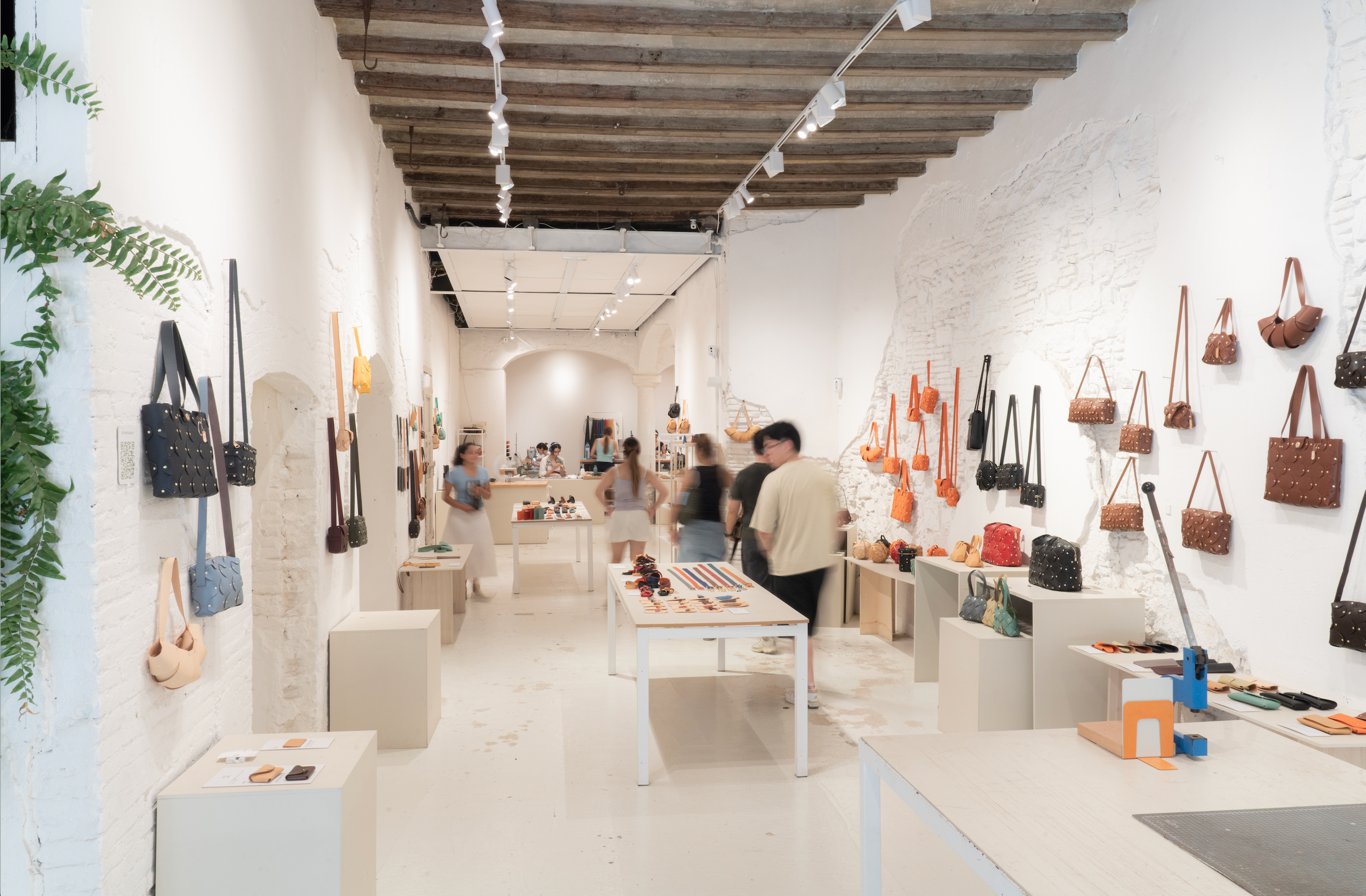
When it comes to full grain leather belts, Manuel Dreesmann is a name worth knowing. We are based in Barcelona and known for our commitment to quality, craftsmanship, and style.
 Content on this page may be created and/or edited with AI.
What Sets Us Apart
- Handcrafted Belts: Each belt is carefully made by skilled artisans, ensuring top-notch quality.
- Material: We use vegetable-tanned full grain leather.
- Timeless Designs: The belts are designed to look great now and for years to come.
Signature Belts You’ll Love
From classic black belts for formal wear to stylish brown options for everyday use, Manuel Dreesmann offers something for everyone. And if you’re looking for something unique, we even offer customization options to make your belt truly yours.
How to Style a Full Grain Leather Belt
Dressing Up
For formal occasions, go with a black or dark brown leather belt. Pair it with dress shoes in the same color for a polished look. The classic black belt is perfect for business meetings or weddings. Content on this page may be created and/or edited with AI.
Keeping It Casual
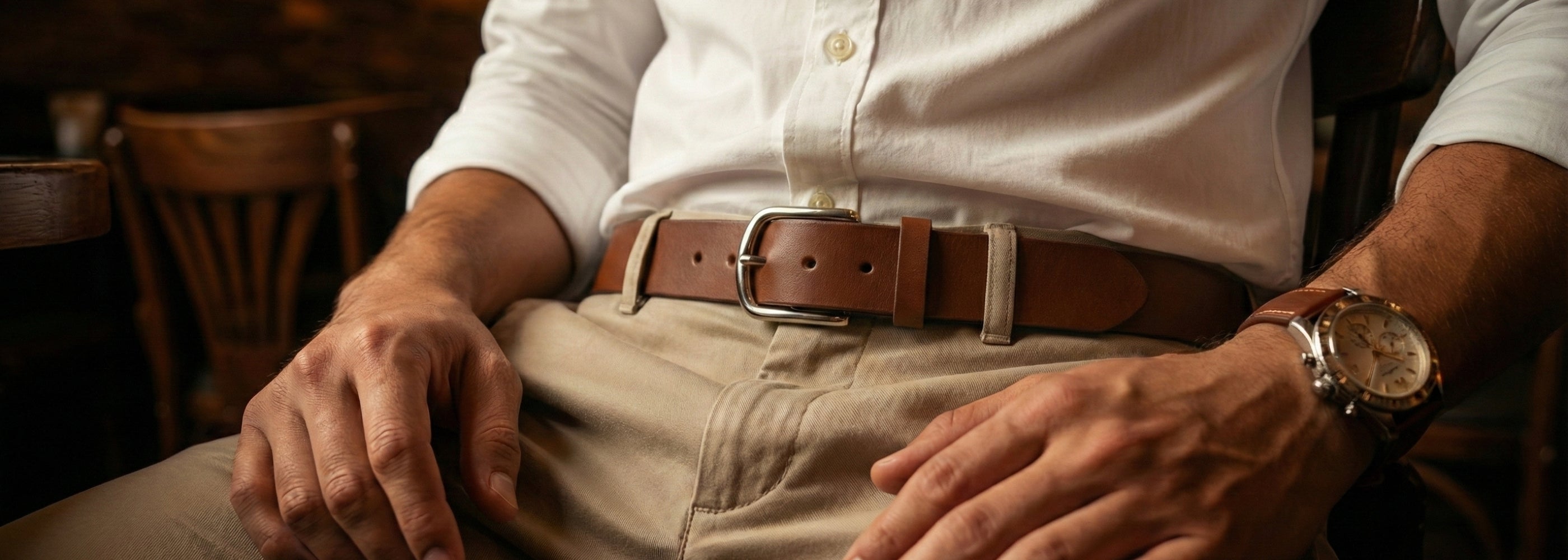
For a laid-back outfit, choose a lighter-colored belt like tan or cognac. These colors pair well with denim or chinos. A casual brown belt from MADRE can elevate even the simplest outfit. Content on this page may be created and/or edited with AI.
Taking Care of Your Full Grain Leather Belt
Cleaning Tips
Keep your belt clean by wiping it with a damp cloth. Avoid using harsh chemicals—they can damage the leather. For deeper cleaning, use a leather cleaner that’s specifically made for full grain leather. Content on this page may be created and/or edited with AI.
Condition It Regularly
Leather can dry out over time, so conditioning is important. Use a high-quality leather conditioner every few months to keep the belt soft and shiny.
Store It Right
When you’re not using your belt, store it in a cool, dry place. Roll it gently to maintain its shape, and avoid folding or creasing it.
Comparing Full Grain Leather to Other Types
Top Grain Leather
Top grain leather is similar to full grain but is slightly sanded to remove imperfections. It’s still a good option, but it doesn’t age as well as full grain leather.
Genuine Leather
Don’t be fooled by the name—genuine leather is actually a lower-quality option. It’s made from leftover leather pieces and doesn’t last as long as full grain leather.
Bonded Leather
Bonded leather is made from scraps of leather glued together. It’s the least durable type and is more prone to cracking and peeling.
How to Choose the Right Full Grain Leather Belt
Get the Size Right
Measure your waist or use a belt you already own as a guide. Most belts are sized by the length from the buckle to the middle hole, so choose accordingly. Check out our guide for more help!
Pick the Width and Color
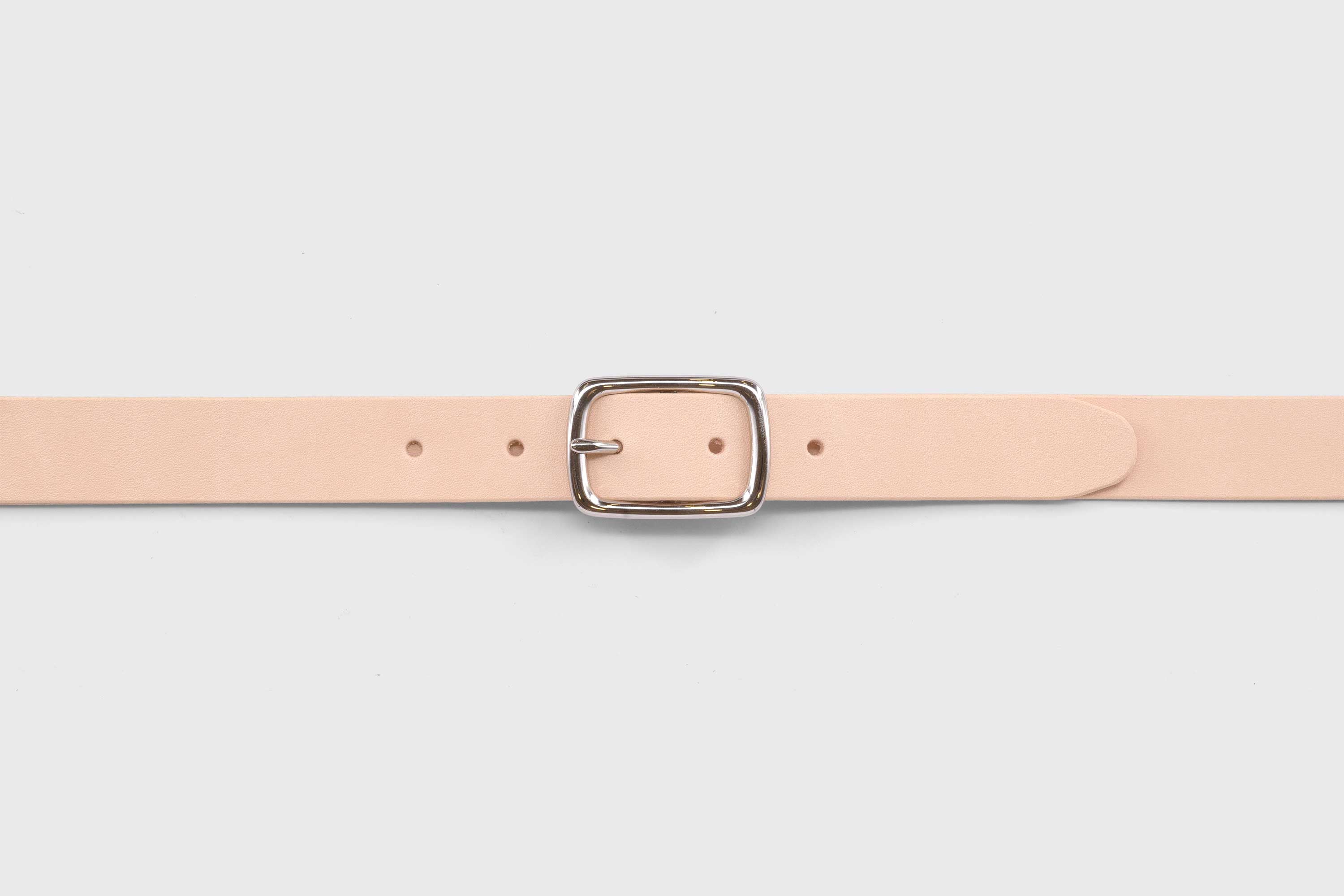
Wider belts are great for casual outfits, while slimmer ones work better for formal wear. As for color, black is a safe choice for work, while brown or tan is ideal for more relaxed settings. However, we can make belts in any of our colours! So let us know your pick.
 Content on this page may be created and/or edited with AI.
Look at the Details
A quality belt will have neat stitching, smooth edges, and a sturdy buckle. Check for these details before making your purchase. You can pick from our range of buckles to see what best fits your style.
 Content on this page may be created and/or edited with AI.
Final Thoughts
A full grain leather belt can become a personal wardrobe staple. Whether you’re looking for a classic belt for work or something stylish for the weekend, we’ll help you find an option that suits you. Our focus is on quality, craftsmanship and style.
FAQs
1. What makes full grain leather better than other types?
Full grain leather is stronger, more durable, and develops a beautiful patina over time.
2. How should I clean my full grain leather belt?
Wipe it with a damp cloth and use a leather cleaner for deeper cleaning.
3. Can I get a custom belt from Manuel Dreesmann?
Yes! Manuel Dreesmann offers customization options for a personal touch.
4. How long do full grain leather belts last?
Their useful life depends on construction, frequency of use and care.
5. What’s the best way to store a leather belt?
Roll it gently and keep it in a cool, dry place to maintain its shape.