



Read This Before Buying a Patent Leather Bag !
Patent leather is instantly recognizable for its high gloss finish, but its appeal goes far beyond appearance alone. From how it is made to how it performs over time, patent leather behaves very differently from untreated natural leather. This guide explores what patent leather is, how it is produced, its advantages and limitations, and how it compares to other types of leather so you can understand when it makes sense and when it does not.
Table on contents
Is Patent Leather Real Leather
A Brief History of Patent Leather
Patent Leather vs Natural Leather
Patent Leather vs Genuine Leather
Disadvantages of Patent Leather
Alternatives to Patent Leather
Environmental Impact of Patent Leather
How to Clean and Care for Patent Leather?
What Is Patent Leather?
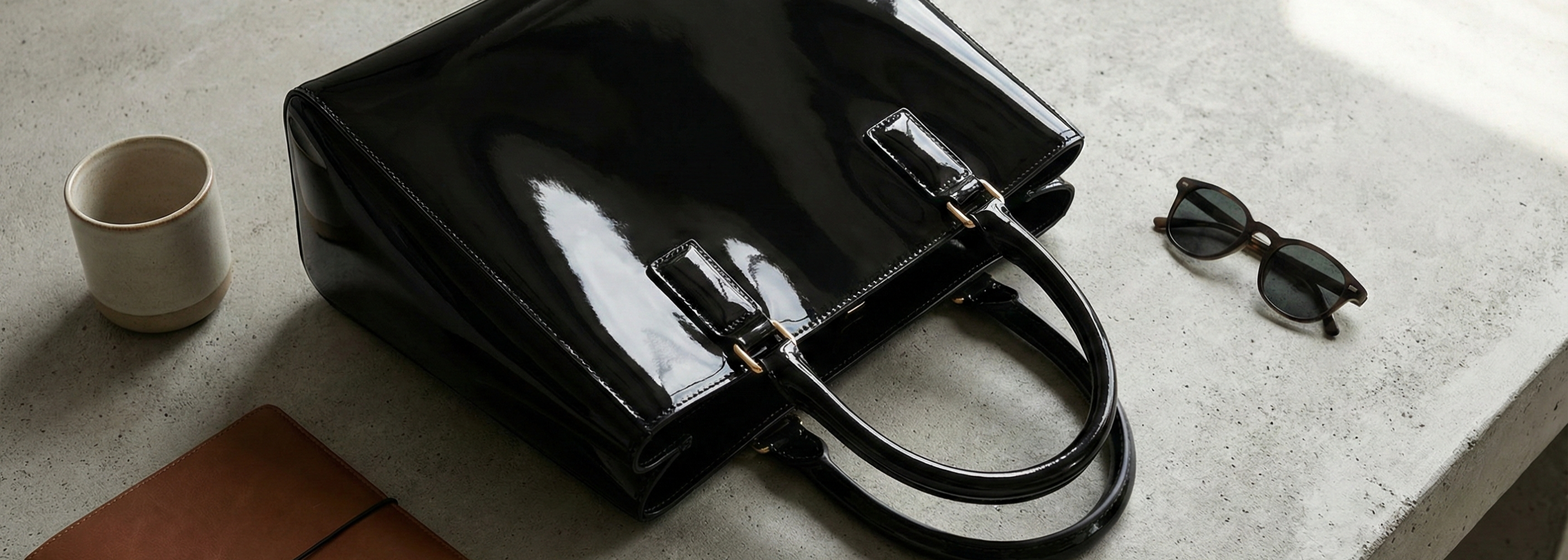
Patent leather is real leather that has been treated with a high gloss, non porous surface coating to create a smooth, mirror like finish. This distinctive shine is achieved by applying layers of lacquer, resin, acrylic, or polyurethane over the leather's surface, sealing it completely.
While the base material is genuine leather, the heavy surface treatment fundamentally changes how the leather behaves. Patent leather prioritizes visual impact and uniformity over breathability, softness, aging, or repairability.
Patent leather is most commonly used in formal and dress shoes, fashion forward handbags and clutches, dress boots and loafers, belts and small accessories, and sneakers with glossy design elements.
Its appeal is almost entirely aesthetic. Patent leather is chosen for shine, structure, and immediate visual effect rather than long term comfort or durability.

Is Patent Leather Real Leather?
Yes, patent leather is made from real animal hides, typically cowhide or calfskin. However, the defining difference lies in the finishing process.
Once coated, the natural grain and pores of the leather are sealed beneath a synthetic layer. This means that although patent leather is technically genuine leather, it no longer behaves like natural leather. Breathability is lost, flexibility is reduced, and the surface cannot age or repair in the same way.
In practical terms, patent leather should be understood as leather with a plasticized surface, not as a natural leather finish.
A Brief History of Patent Leather
Patent leather dates back to the late eighteenth and early nineteenth centuries. The modern process is widely attributed to American inventor Seth Boyden, who developed a varnish based leather coating method around 1818.
Originally, patent leather served a functional role. The glossy varnish made footwear waterproof at a time when shoes were regularly exposed to rain, mud, and unpaved streets. Durability and protection were the primary goals.
By the Victorian era, patent leather became associated with formality and social status. It was commonly used for military footwear, ceremonial shoes, and eveningwear. Throughout the twentieth century, it became closely tied to luxury fashion, particularly in formal men's shoes and high gloss accessories.
Advances in synthetic coatings during the late twentieth century made patent leather cheaper and easier to produce. This shifted patent leather from a niche luxury material to a widely available fashion finish across multiple price points.
How Is Patent Leather Made?
Patent leather begins as smooth grain leather, usually chosen for its even surface and minimal natural texture. The leather itself is real and structurally sound at this stage. What turns it into patent leather happens almost entirely during finishing rather than tanning.
The first step is surface preparation. The leather is lightly sanded and smoothed to reduce visible grain variation and natural imperfections. This creates a more uniform base, which is essential for achieving an even, mirror-like finish later on. Any inconsistency at this stage would be amplified once the surface becomes glossy.
After preparation, the leather goes through a base sealing process. A preliminary layer is applied to stabilize the surface and create a controlled foundation for the high gloss coating. This step ensures that subsequent layers adhere evenly and prevents irregular absorption.
The defining transformation happens during the gloss coating stage. Multiple layers of synthetic material, most commonly polyurethane or acrylic, are applied to the surface. Each layer is cured before the next is added, gradually building the reflective finish. The number of layers determines the intensity of the shine. A higher gloss requires more layers, which also makes the leather stiffer.
Once the coating is complete, the surface is polished and buffed repeatedly. This final step smooths out any remaining inconsistencies and enhances reflectivity, producing the characteristic patent leather shine.
The end result is leather that is completely sealed at the surface. It reflects light evenly and resists moisture and stains, but the coating also blocks airflow, limits flexibility, and prevents the leather from absorbing conditioners or developing patina. This is why patent leather behaves very differently from untreated natural leather despite starting from the same base material.
Patent Leather vs Natural Leather
|
Aspect |
Natural Leather |
Patent Leather |
|
Breathability |
Natural leather remains breathable, allowing air and moisture to pass through, improving comfort during daily use. |
The synthetic coating seals the surface completely, trapping heat and moisture underneath. |
|
Flexibility and Feel |
Softens and adapts with use as fibers relax and mold to the body. |
Remains relatively stiff and does not significantly soften over time. |
|
Aging and Patina |
Develops a patina that adds depth, character, and uniqueness. |
Does not develop patina. The surface deteriorates instead of evolving. |
|
Repairability |
Can be conditioned, polished, and professionally repaired. |
Cracks and peeling are usually permanent and difficult to fix. |
|
Longevity |
Can last decades with proper care. |
Often has a shorter lifespan due to coating fatigue. |
|
Comfort |
Designed for long term wear and daily use. |
Better suited for occasional wear. |
|
Environmental Impact |
More sustainable when responsibly tanned and maintained long term. |
Relies on plastics and chemicals, reducing biodegradability. |
Patent Leather vs Genuine Leather
|
Aspect |
Genuine Leather |
Patent Leather |
|
Definition |
Genuine leather refers to real animal hide that retains at least some of its natural structure and properties. |
Patent leather is genuine leather that has been sealed with a synthetic high gloss coating. |
|
Surface Finish |
Shows natural grain or light correction while remaining leather at the surface. |
Completely sealed with lacquer or plastic, hiding the natural grain. |
|
Breathability |
Remains breathable, allowing airflow and moisture evaporation. |
Does not breathe due to its non porous surface. |
|
Flexibility and Feel |
Softens and adapts with use, becoming more comfortable over time. |
Remains relatively stiff and restrictive. |
|
Aging and Patina |
Develops patina that adds character and depth. |
Does not develop patina. The surface degrades instead. |
|
Repairability |
Can be conditioned, restored, and professionally repaired. |
Cracks and peeling are usually permanent. |
|
Longevity |
Can last decades with proper care. |
Often has a shorter lifespan due to coating fatigue. |
|
Comfort |
Designed for daily long term use. |
Better suited for occasional wear. |
|
Environmental Impact |
More sustainable when responsibly produced. |
Relies on plastics and chemicals, reducing biodegradability. |
Advantages of Patent Leather
High Gloss Appearance
Patent leather's most distinctive advantage is its high gloss finish. The mirror like surface reflects light evenly, creating a polished and formal appearance that immediately stands out. This level of shine cannot be achieved through natural leather alone without surface treatment, which is why patent leather has long been associated with evening wear, formal shoes, and statement accessories. For designs where visual impact is the priority, patent leather delivers instant refinement.
Surface Water and Stain Resistance
Because the surface of patent leather is completely sealed, it offers a degree of resistance to light moisture and surface stains. Small spills, splashes, or light rain tend to remain on the surface rather than soaking into the leather. This makes patent leather suitable for situations where exposure to occasional moisture is unavoidable and where ease of cleaning matters more than breathability.
Easy Surface Cleaning
Patent leather is relatively easy to clean compared to untreated leather. Dirt, dust, and fingerprints stay on the surface and can usually be removed with a soft cloth. There is no need for conditioning or deep cleaning, which appeals to users who prefer low maintenance materials for formal or occasional use items.
Uniform Color and Appearance
The coating process used to create patent leather results in a highly uniform finish. Color, texture, and sheen remain consistent across the entire surface, which is particularly attractive to fashion brands that value predictability and visual control. Unlike natural leather, there is little variation from one piece to another.
Shape Retention and Structure
The stiffness created by the surface coating helps patent leather hold its shape well, especially when new. Shoes and bags made from patent leather often maintain sharp lines and defined silhouettes, making them visually striking in structured designs.
Disadvantages of Patent Leather
Lack of Breathability
One of the most significant drawbacks of patent leather is its lack of breathability. The sealed surface prevents air and moisture from passing through, which can lead to heat and moisture buildup. This is especially noticeable in footwear, where prolonged wear can become uncomfortable.
Reduced Comfort Over Time
Unlike natural leather, patent leather does not soften or adapt significantly with use. The coating restricts fiber movement, meaning the material remains relatively stiff throughout its lifespan. This limits comfort, particularly in items that bend or flex frequently.
Cracking and Peeling
Over time, the synthetic coating used on patent leather can crack or peel, especially in high stress or high flex areas. Temperature changes, repeated bending, and age all contribute to this type of surface failure. Once cracking or peeling occurs, the damage is usually permanent.
Poor Aging Characteristics
Patent leather does not age in the same way as natural leather. Instead of developing patina or character, its appearance tends to degrade as the surface coating loses clarity or integrity. Wear becomes more visible rather than more attractive over time.
Limited Repair Options
When patent leather is damaged, repair options are extremely limited. Scratches, cracks, and peeling cannot be effectively restored in most cases. This contrasts sharply with natural leather, which can often be conditioned, repaired, or refinished.
Environmental Concerns
The production of patent leather relies on synthetic coatings and chemical finishes, which increase its environmental footprint. These materials reduce biodegradability and contribute to a shorter product lifespan, leading to higher waste compared to durable natural leather alternatives.
Alternatives to Patent Leather
For those who appreciate the look and function of leather but want better comfort, durability, and sustainability, several alternatives offer significantly better long term performance than patent leather. Each option serves a different purpose, depending on whether longevity, aesthetics, or environmental impact is the priority.
Full Grain Leather
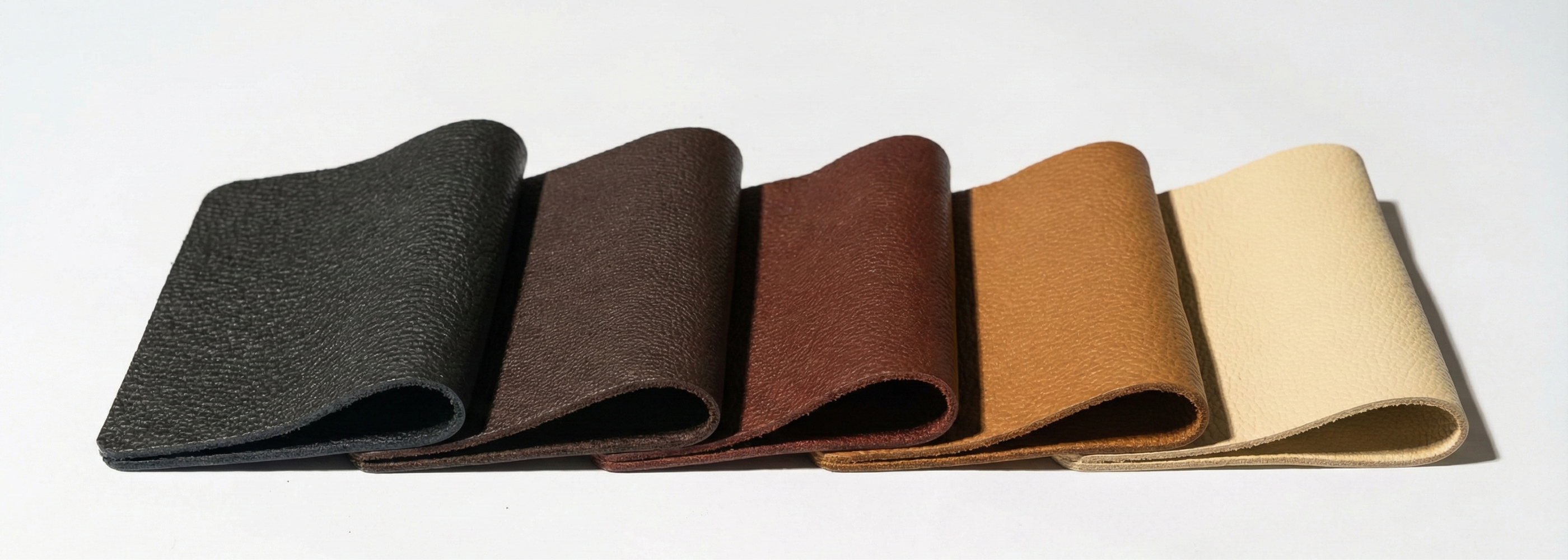
Full grain leather is the highest quality leather available and one of the strongest alternatives to patent leather. It retains the natural surface of the hide without heavy sanding or synthetic coatings.
Because the grain structure remains intact, full grain leather is exceptionally durable and breathable. Over time, it softens with use and develops a rich patina that enhances its appearance rather than diminishing it. Scratches and marks blend into the surface, becoming part of the leather's character.
Unlike patent leather, full grain leather can be repaired, conditioned, and maintained for decades, making it ideal for bags, footwear, and accessories intended for long term use.
Vegetable Tanned Leather
Vegetable tanned leather is processed using natural tannins derived from bark, leaves, and other plant materials rather than synthetic chemicals. This traditional tanning method produces leather that is firm, breathable, and environmentally responsible when done correctly.
Over time, vegetable tanned leather darkens and evolves with exposure to light, air, and handling. Instead of cracking or peeling, it gains depth and individuality. This makes it particularly well suited for heritage leather goods, work bags, and everyday accessories.
Compared to patent leather, vegetable tanned leather offers superior aging, repairability, and sustainability, with no plastic surface layer to degrade.

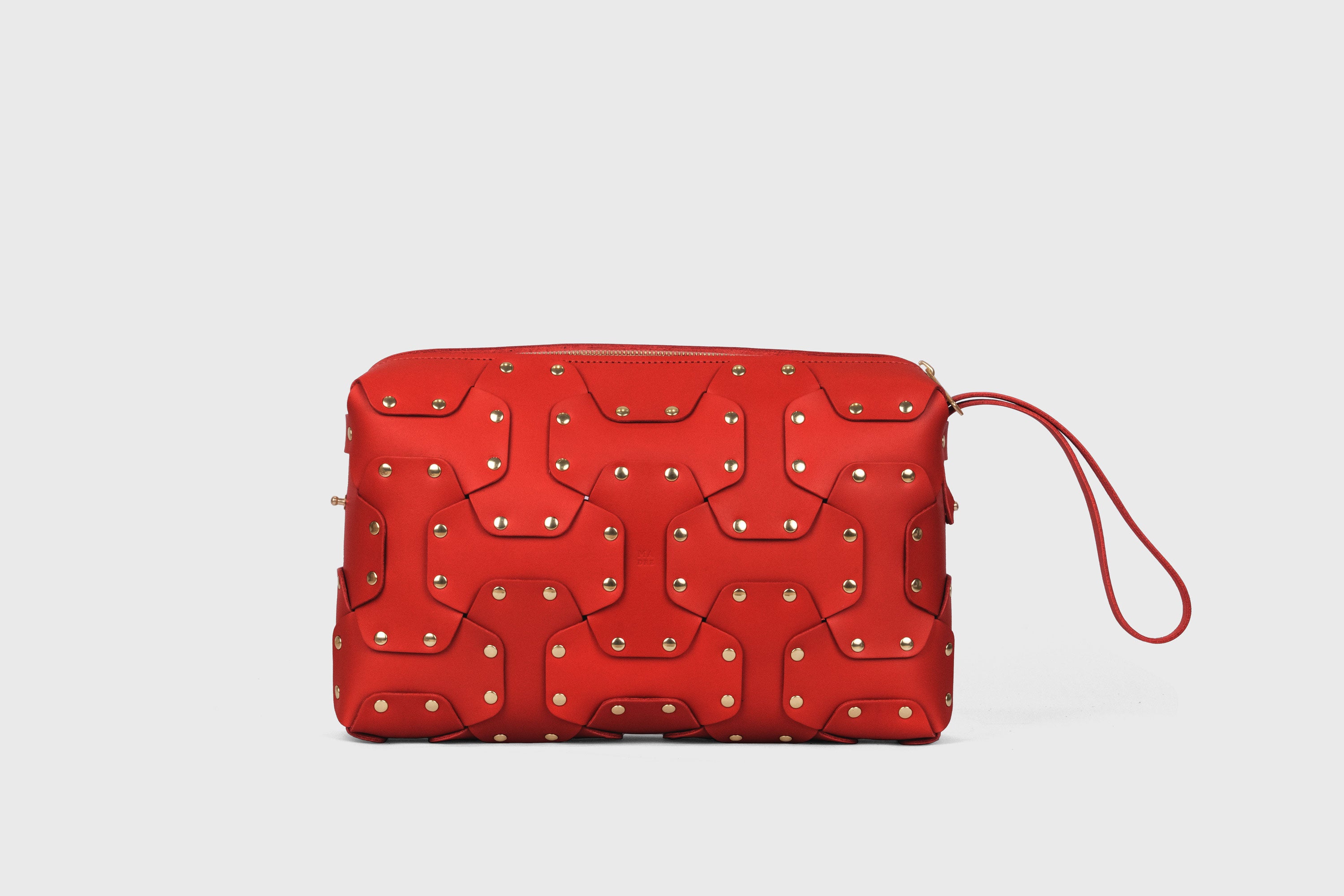
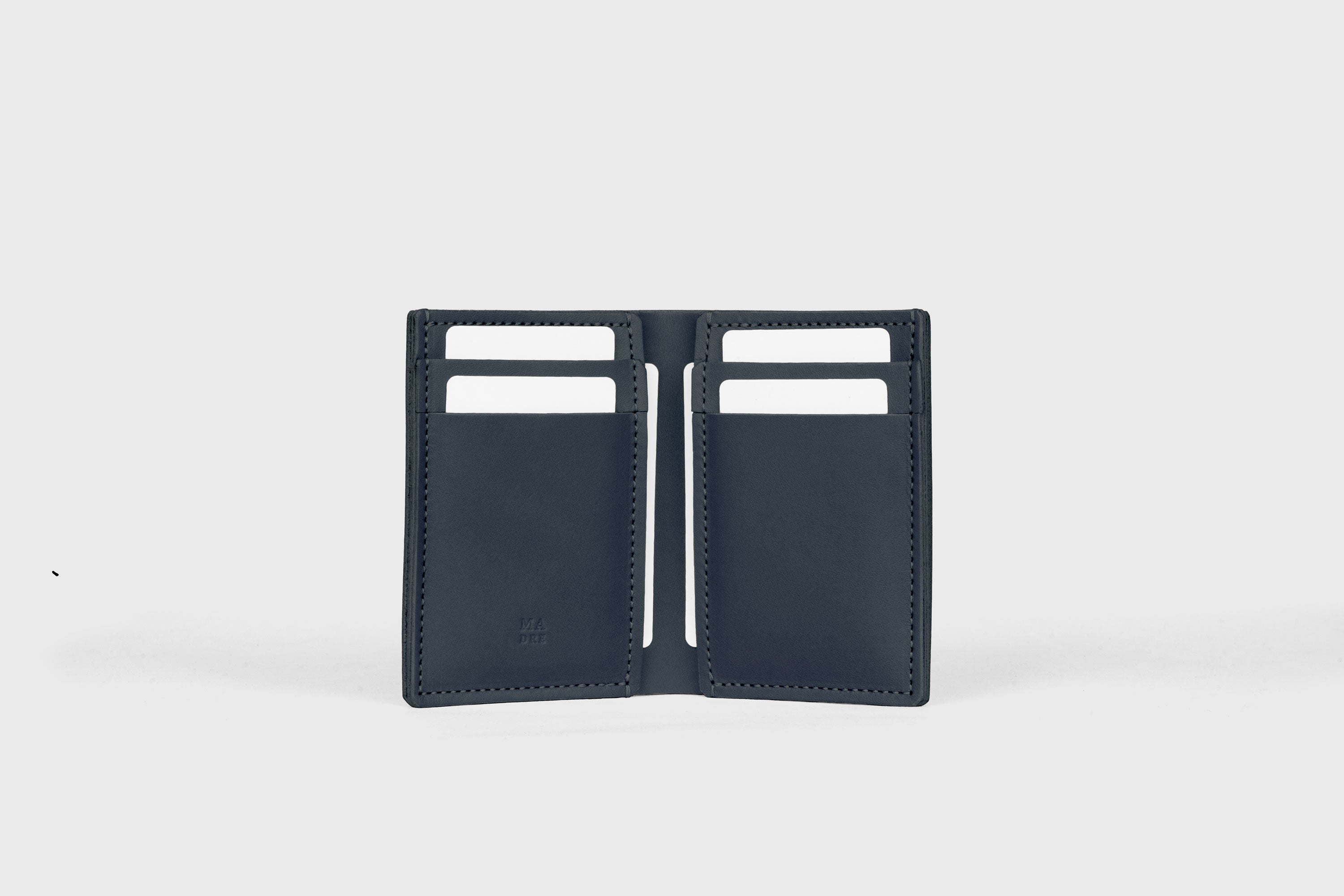
At Atelier Madre, we work exclusively with full grain, vegetable tanned leather. We choose this material because it preserves the natural structure of the hide while allowing the leather to breathe, age, and develop character over time. Rather than sealing the surface with synthetic coatings, we let the leather evolve naturally through use.
This approach results in leather goods that soften instead of stiffen, age instead of degrade, and can be maintained and repaired for years. Each piece develops its own patina, shaped by daily life rather than hidden beneath a glossy finish.
You can explore our full collection of products made from full grain vegetable tanned leather here: Full Grain Vegetable-Tanned Leather Products
Top Grain Leather
Top grain leather sits just below full grain in quality and is often lightly corrected to create a more uniform appearance. Unlike patent leather, however, it is not sealed with a thick synthetic coating.
This allows top grain leather to remain flexible, breathable, and comfortable while offering a refined, polished look. It provides a balance between aesthetics and performance, making it a practical alternative for those who want a cleaner finish without sacrificing long term usability.
Top grain leather is commonly used in premium footwear and accessories where consistency and comfort are equally important.
Smooth Waxed or Polished Leathers
Some leathers achieve a sleek, elegant appearance through traditional finishing techniques such as waxing, glazing, or hand polishing rather than plastic coatings.
These finishes enhance shine while preserving the leather's natural properties. The surface remains breathable and repairable, and any wear that occurs over time contributes to character rather than surface failure.
For those drawn to the visual refinement of patent leather but unwilling to accept its limitations, waxed or polished leathers offer a more functional and sustainable alternative.
Synthetic Patent Leather Alternatives
Synthetic patent leather is entirely plastic based and does not contain animal hides. While visually similar to traditional patent leather, it lacks the structural integrity of real leather.
These materials tend to crack, peel, or harden quickly, especially with temperature changes or frequent bending. From an environmental standpoint, they are often less sustainable due to their reliance on petrochemicals and poor biodegradability.
Synthetic patent alternatives may appeal to those avoiding animal products, but they generally offer the shortest lifespan and least repairability of all options.
Environmental Impact of Patent Leather

Synthetic Surface Coatings
The environmental impact of patent leather comes mainly from its glossy surface coating. While the base material is real leather, the finish is usually made from plastic based substances derived from petrochemicals. This coating seals the leather and significantly reduces its ability to biodegrade over time.
Production and Materials
Creating patent leather requires additional processing compared to natural leather. Multiple coating and curing stages are needed to achieve the high shine, which increases energy use and involves chemical treatments such as resins and varnishes. These steps add to the overall environmental footprint of the material.
Lifespan and Waste
Patent leather often has a shorter usable life than untreated leather. As the surface coating ages, it can crack or peel, and repair options are very limited. Once the finish fails, products are more likely to be discarded rather than restored, contributing to higher waste.
How to Clean and Care for Patent Leather?

Patent leather looks effortless when it is new. Perfect shine, smooth surface, instant polish. The problem is that once it starts to lose that shine, it tends to do so very visibly. Caring for patent leather is not complicated, but it does require understanding what it is and what it is not.
Unlike natural leather, patent leather does not absorb oils, conditioners, or moisture in a meaningful way. Everything happens on the surface. That is both its strength and its weakness.
Everyday Care Less Is More
Most patent leather damage does not come from neglect, but from over cleaning. The surface does not need scrubbing, conditioning, or aggressive products. In fact, those are often what cause the finish to fail.
After wearing or using a patent leather item, a simple wipe with a soft, dry cloth is usually enough. This removes dust, fingerprints, and surface oils before they dull the shine. Because the leather is sealed, dirt does not sink in. It just sits there.
Regular light cleaning does far more for patent leather than occasional heavy cleaning ever will.
Dealing With Smudges and Marks
Fingerprints, smears, and light marks are normal on glossy leather. When a dry cloth is not enough, a slightly damp one usually is.
The key word is slightly. Patent leather does not like excess water. A damp cloth gently wiped across the surface is all that is needed. Rubbing hard will not remove marks faster. It just stresses the coating.
For more stubborn marks, a mild soap solution can be used sparingly. No soaking. No scrubbing. And no harsh cleaners. Once the surface looks clean, wipe away any residue and let the item dry naturally.
What Not to Use This Matters
Patent leather is far more sensitive to chemicals than natural leather. Alcohol, acetone, nail polish remover, disinfectant sprays, and harsh detergents can permanently cloud the surface or weaken the coating.
If a product would not be safe on high gloss paint, it is not safe on patent leather.
This is also why traditional leather conditioners do not help. Patent leather cannot absorb them, and they often leave streaks or residue instead.
Drying and Temperature
Heat is one of patent leather's biggest enemies.
After cleaning, patent leather should always air dry at room temperature. Never use hair dryers, heaters, or direct sunlight. Heat dries out the synthetic coating, making it brittle and far more likely to crack.
The cold is not great either. Repeated temperature swings from hot to cold and dry to humid accelerate surface fatigue over time.
Preventing Cracks and Long Term Damage
Patent leather does not crack because it is dry in the traditional sense. It cracks because the coating loses flexibility.
That is why prevention matters more than treatment.
Avoid folding or creasing patent leather whenever possible. Do not overfill bags. Let shoes rest between wears. Repeated stress in the same flex points is where cracks usually appear first.
Once cracking starts, there is no real fix. Only damage control.
Keeping the Shine
Patent leather does not need conditioning, but it can benefit from gentle polishing. A clean microfiber cloth is usually enough to restore shine. If a polish is used, it should be specifically made for patent leather and applied very sparingly.
More product does not mean more shine. It usually means streaks.
Storage Makes a Bigger Difference Than Cleaning
How patent leather is stored often matters more than how it is cleaned.
Store items in a cool, dry place, away from direct sunlight. Avoid stacking patent leather pieces against each other, as pressure and friction can cause surface marks. Dust bags or soft cloth covers are ideal. Plastic bags are not because they trap moisture.
For shoes, using shoe trees helps reduce stress on flex points and slows surface fatigue.
Frequently Asked Questions
Does patent leather crack
Yes. Cracking is one of the most common long term issues with patent leather. It happens as the synthetic coating loses flexibility due to repeated bending, temperature changes, dryness, and age. Once cracking begins, it cannot be reversed.
Is patent leather waterproof
Patent leather is water resistant, not waterproof. It can handle light rain or small splashes, but prolonged exposure to moisture can damage the surface and accelerate cracking or peeling.
Why does patent leather crack over time
Patent leather cracks because the plastic based coating ages and becomes brittle. Stress from bending, heat, cold, and everyday movement causes the surface to fatigue rather than the leather underneath.
Can cracked patent leather be repaired
In most cases, no. Once the coating cracks or peels, repair options are extremely limited and usually cosmetic at best. Damage is often permanent.
Does patent leather peel
Yes. Peeling can occur as the synthetic coating separates from the leather base. This usually happens with age, heavy wear, or exposure to heat and improper storage.
How long does patent leather last
Patent leather can last several years with careful use, but it generally has a shorter lifespan than natural leather. Longevity depends heavily on wear frequency, storage conditions, and temperature exposure.
Is patent leather good for everyday use
Patent leather is better suited for occasional wear rather than daily use. Frequent bending and constant stress increase the risk of cracking and surface damage.
Does patent leather breathe
No. Patent leather does not breathe because the surface is completely sealed. This can lead to heat and moisture buildup, especially in shoes.
Can patent leather be conditioned like normal leather
No. Patent leather does not absorb conditioners. Applying traditional leather conditioners often causes streaks or residue without improving flexibility or durability.
Is patent leather real leather
Yes. Patent leather is made from real leather, but the surface is coated with a synthetic finish. This coating changes how the leather feels, ages, and performs compared to untreated leather.