
The Best Leather Wallet for Men: A Complete Guide to Choosing the Right One
At our workshop in Barcelona, we meet many customers who arrive with the same questions. How do I choose the right leather wallet? Which leather lasts the longest? Where to buy a good wallet?
This guide explains everything you should know before choosing a wallet.
Table of Contents
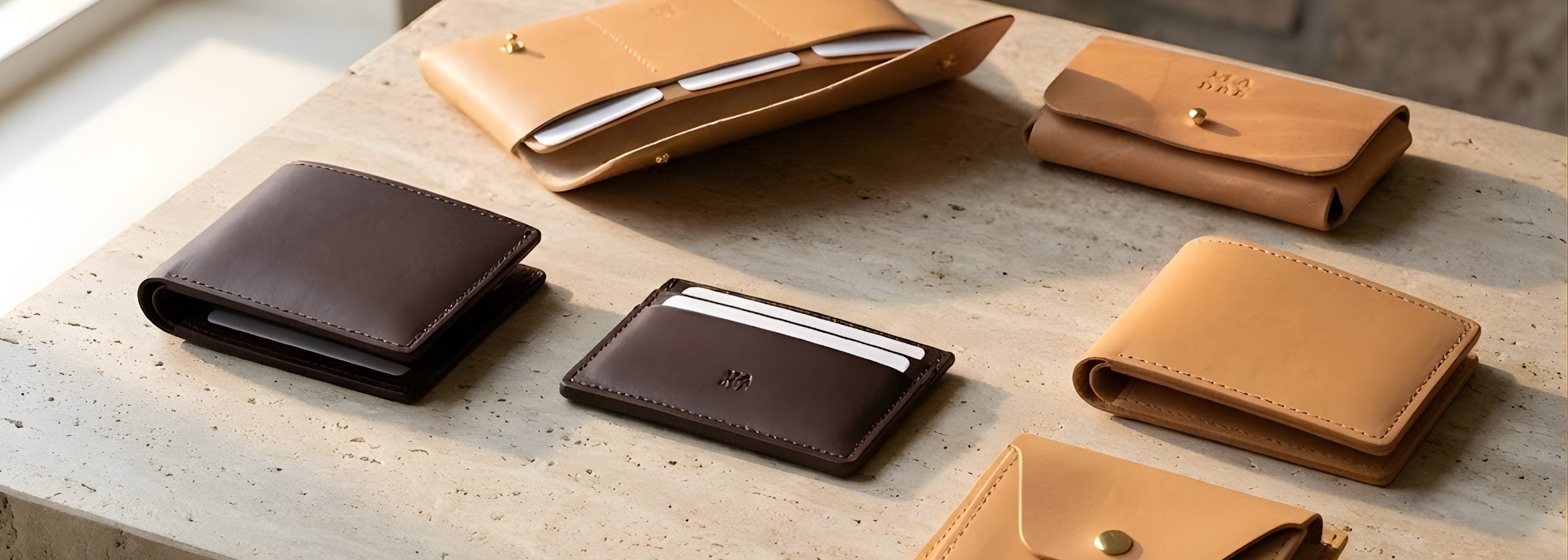
The Best Leather Wallets in 2026: Our Top Picks from Atelier Madre
Browse all leather wallets from Atelier Madre
1. Credit Card Wallet Minimalist Leather
 Content on this page may be created and/or edited with AI.
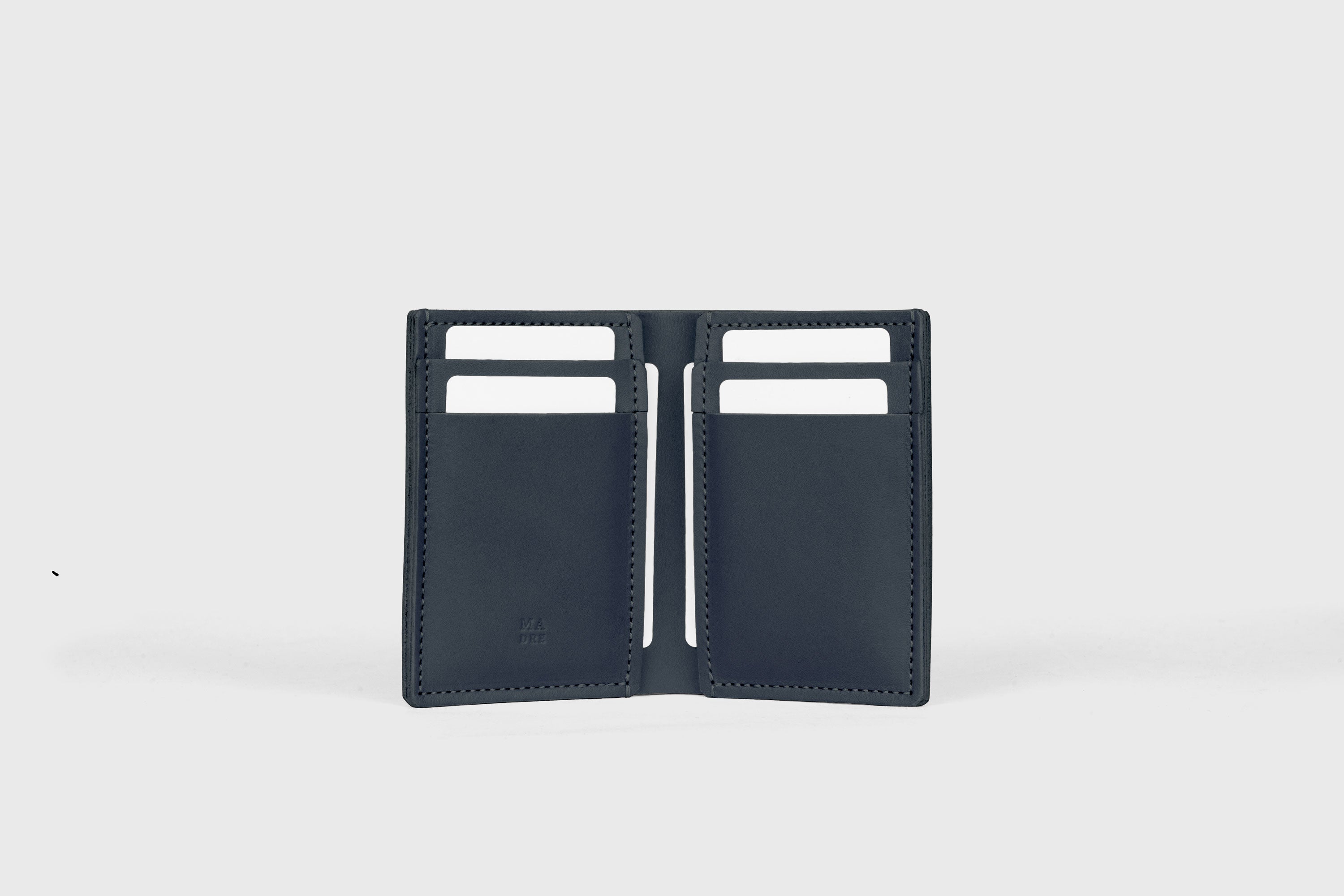
This is the wallet people choose when they want the slimmest possible result, essentially a true slim leather wallet without unnecessary layers. It works well when the goal is a clean pocket profile and fast access.
Works best for: Someone who carries four to six cards, does not use cash daily and wants a wallet that disappears in a front pocket.
2. Bifold Wallet Leather
 Content on this page may be created and/or edited with AI.
The classic bifold suits someone who carries both cards and bills and wants a familiar layout. The fold distributes pressure evenly, which helps the wallet age well if the leather is full grain.
Works best for: Someone who wants a traditional wallet with full-length compartments and stable pockets.
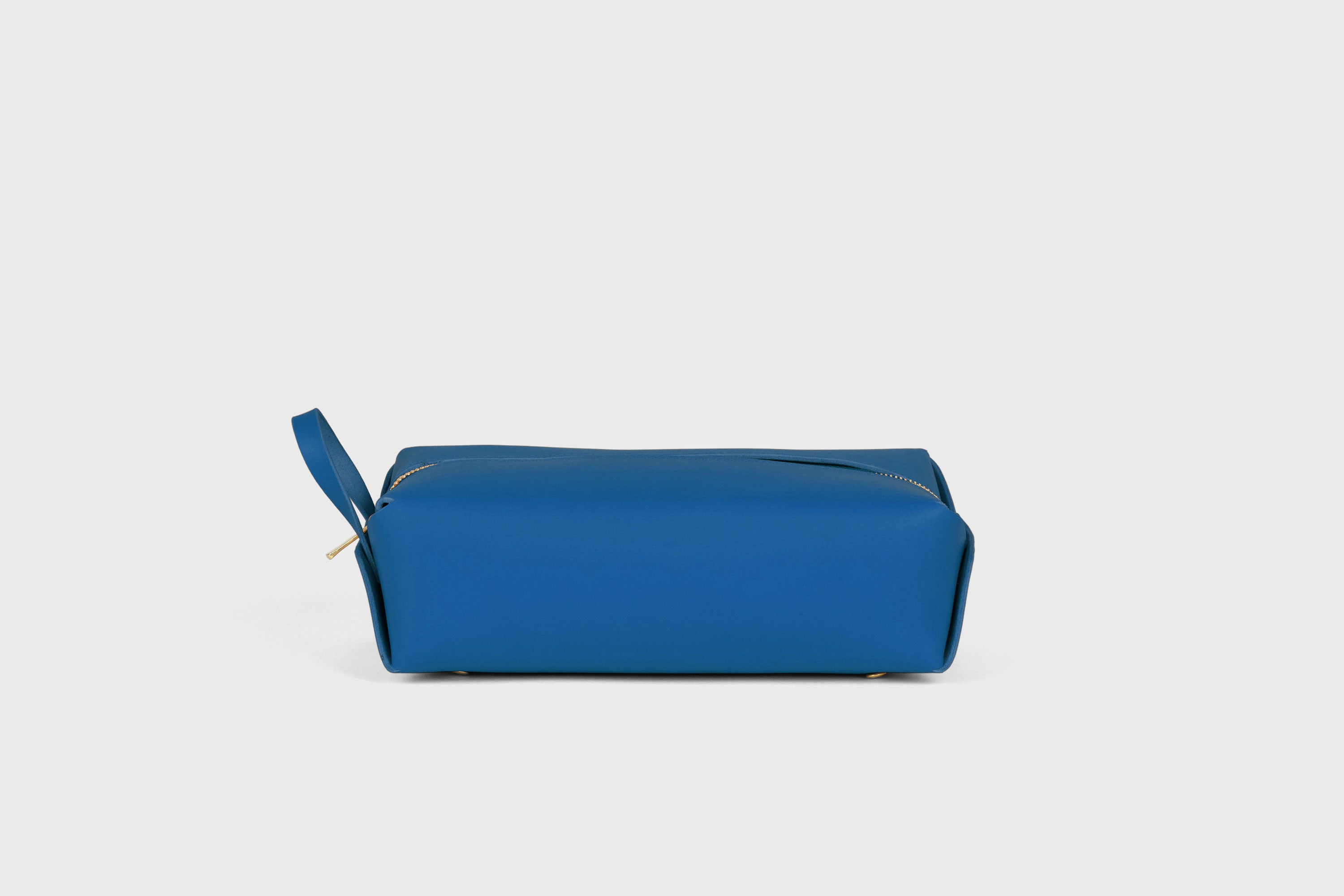
3. Wallet Pouch with Handle
 Content on this page may be created and/or edited with AI.
This option is for people who prefer to carry essentials in hand or in a bag instead of inside pockets. It holds cards, cash, keys and small items without becoming bulky.
Works best for: Someone who wants a compact carry-all rather than a strict wallet, often used for travel.
4. Card Holder Leather Horizontal
 Content on this page may be created and/or edited with AI.
The horizontal card holder offers a slightly wider layout, making card access more comfortable while keeping the profile slim.
Works best for: Someone who needs easy access to frequently used cards and prefers a simple, lightweight format.
5. Bifold Wallet with Coin Pocket
 Content on this page may be created and/or edited with AI.
This is the most practical option for someone who still uses coins and wants everything in one place. The coin pocket adds capacity but requires strong leather to avoid bulging.
Works best for: Someone who carries coins daily and wants one wallet for all items.
Swipe left or right to see more products
What You Should Look For in a Leather Wallet
When choosing the best leather wallet for men, material quality and construction determine how the wallet will age and how reliable it will be in everyday use.
Leather and Construction Affect Useful Life
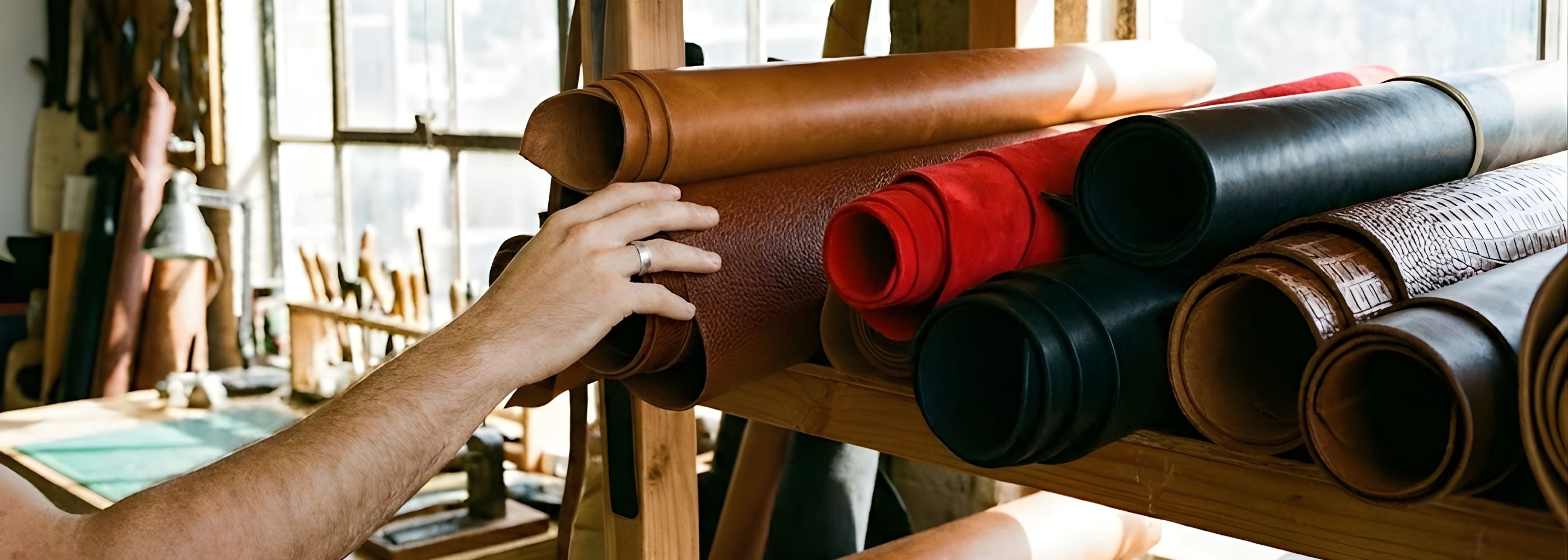
In our workshop, we work with full grain vegetable tanned leather, which retains its original grain surface. We choose it for its texture and developing patina. A wallet’s useful life also depends on construction, use and care.
Corrected or coated leathers have surfaces modified for a particular appearance or finish. Their performance varies with the leather, finish and wallet construction.
Full grain leather retains its grain surface and can develop a patina with use. Its resistance to stretching, cracking and surface wear depends on the leather, finish, construction and care.
A simple way to understand the difference is this:
Full grain leather retains its original grain surface.
Corrected or coated leather has a modified surface or applied finish.
Consider the complete wallet, including its leather, stitching, edges and capacity. Leather grade alone does not determine how long it will last.
 Content on this page may be created and/or edited with AI.
Craftsmanship Decides Whether the Wallet Keeps Its Shape
Even the best leather cannot perform well if the construction is weak. Craftsmanship decides whether the wallet stays flat, whether it folds comfortably and whether the edges stay bonded. This is where hand making becomes very visible in everyday use.
Stitching that supports the structure
Correct stitching is one of the clearest indicators of a well made wallet. The stitches should sit slightly inside the leather so they do not rub against the pocket or against fabric when the wallet is carried. When stitching is placed too high on the surface, friction wears it down quickly. Misaligned stitching also distributes tension unevenly and causes layers to separate. Clean, recessed stitching protects the thread and keeps the shape stable.
Edge finishing that prevents separation
The edges of a wallet carry the most stress. If the edge is simply cut and left raw, moisture and friction soften it and the layers begin to separate. A hand finished edge is sanded, burnished and sealed which bonds the layers together. This prevents splitting and helps the wallet keep its clean outline even after daily use.
Internal layers that are aligned and prepared correctly
Inside a wallet are multiple layers of leather and supporting material. If these layers are not aligned precisely, the wallet bends unevenly and pockets loosen early. Proper alignment ensures the wallet stays flat, feels balanced and retains its proportions. When each layer is skived to the right thickness, the wallet opens and closes smoothly without stressing the spine.
Balanced thickness that supports comfort and longevity
A thin wallet is convenient but only when the thickness is controlled properly. If the leather is left too thick, the spine becomes stiff and the wallet fights against opening. If it is skived too thin, the wallet collapses and stretches quickly. Balanced thickness gives the wallet flexibility while keeping the structure intact. This balance is a direct result of careful hand preparation rather than machine cutting.
Pocket design that keeps cards secure
Card pockets need to suit the number and size of cards you carry. Leather can stretch with use, particularly when pockets are overloaded. Check the stated capacity and avoid forcing extra cards inside.
How to Choose the Best Wallet for You?
Choosing the best leather wallet for men is not only about the material or the craftsmanship. It also depends on how you use a wallet, how you carry it, and what you expect it to do for you every day. A well made wallet should adapt to you, not the other way around.
There are three factors that guide the choice. The number of cards you carry, how you carry cash and how the wallet fits into your pocket. Once these are clear, the decision becomes simple.
 Content on this page may be created and/or edited with AI.
How many cards you actually use ?
Most people carry more cards than they need, which leads them toward a thicker wallet than their routine requires. The simplest approach is to count the cards you reach for every day. If you rely on four or five, a slim wallet or card holder will feel lighter and stay flatter in your pocket. If you use several work or travel cards daily, a compact bifold distributes the thickness without becoming bulky. The number of active cards is the single strongest indicator of which wallet will feel natural for you.
How you carry cash ?
Cash changes the structure and thickness of a wallet. If you use bills regularly, you will need a dedicated cash compartment that keeps them flat. If you rarely carry cash, a minimal wallet or compact card holder will serve you better and remain slim without stretching. Coins introduce even more weight and pressure, so a zipped pocket becomes essential if coins are part of your daily routine. Matching the wallet to your cash habits prevents stretching and avoids uneven wear inside the pockets.
Where you plan to carry the wallet ?
Your pocket decides how the wallet should be built. A wallet kept in a back pocket must hold its shape and resist bending, because body weight puts continuous pressure on the spine. A wallet kept in the front pocket must stay slim and balanced so it does not push outward or feel intrusive when you move. Someone who walks or cycles daily usually prefers a thinner profile, while someone who sits for long periods benefits from a structured bifold that stays flat.
Types of Wallets and Who They Suit
 Content on this page may be created and/or edited with AI.
Different wallet formats exist because people carry different things. Some prefer the smallest option possible, others need room for receipts or several currencies. Below are the seven wallet types we work with most often in our atelier, along with the users they naturally suit based on real habits we see in the workshop.
1. Card Holder
Content on this page may be created and/or edited with AI.
A card holder is the lightest option. It carries a few cards and a folded note, nothing more.
It suits someone who keeps their essentials reduced and wants a wallet that disappears in a front pocket. Customers who commute by bike or prefer a minimal carry often choose this format because it never creates bulk or pressure.
2. Slim Bifold
Content on this page may be created and/or edited with AI.
A slim bifold keeps the traditional shape but removes unnecessary layers, which keeps it flat.
It suits someone who carries four to eight cards and prefers the familiarity of a bifold without the thickness of older styles. This format works well for everyday use and fits comfortably in both front and back pockets.
3. Classic Bifold with Extra Capacity
Content on this page may be created and/or edited with AI.
This is a standard bifold with added interior pockets. It carries more cards and cash but becomes thicker as a result.
It suits someone who needs additional capacity for work cards, extra IDs or travel-related items. Many of our international customers prefer this format because it handles different currencies and more paper items without feeling disorganised.
4. Trifold Wallet
 Content on this page may be created and/or edited with AI.
A trifold folds into three sections, holding many cards in a compact shape.
It suits someone who needs maximum organisation within one wallet and does not mind extra thickness in the pocket. It works well for people who carry loyalty cards, access cards or multiple currencies.
5. Zip Wallet
 Content on this page may be created and/or edited with AI.
A zip wallet closes completely around the contents, keeping cards, notes and coins secured in one place.
It suits someone who wants a closed structure and prefers the assurance that nothing can slip out. Frequent travellers often choose this format because it manages coins, receipts and foreign currency without mixing them.
6. Coin Wallet
 Content on this page may be created and/or edited with AI.
A coin wallet includes a dedicated compartment for change, which makes it practical in countries where coins are used often.
It suits someone who wants quick access to coins without relying on a separate pouch. Customers in Spain, France and other Euro countries tend to favour this option because they use €1 and €2 coins every day.
7. Long Wallet
Content on this page may be created and/or edited with AI.
A long wallet stores unfolded banknotes, receipts and documents in a flat, organised layout.
It suits someone who carries a bag or jacket pocket rather than storing the wallet in trousers. Many professionals choose this format for travel, work receipts or business cards that need to stay clean and uncreased.
 Content on this page may be created and/or edited with AI.
Types of Leather Used in Wallets
Full Grain Leather
Full grain leather retains its original grain surface. It can develop a patina with use. Strength, surface wear and useful life depend on the particular leather, finish and wallet construction.
How it behaves in real use
-
Card pocket fit depends on the leather, construction and number of cards carried.
-
The fold changes with use and depends on leather thickness and construction.
-
Edges can be burnished for a smooth finish and may need maintenance.
We choose this leather for its grain, texture and developing patina.
Top Grain Leather
Top grain leather is often used to describe leather with a refined surface. The finish, thickness and construction affect how a wallet feels and wears.
How it behaves in real use
-
Softness and structure vary with the leather and finish.
-
Pocket fit depends on construction and use.
-
Looks smooth but does not age with the same depth.
Genuine Leather
Genuine leather means real leather. The term alone does not identify a particular grade, finish or expected lifespan.
How it behaves in real use
-
Ask which leather and finish the wallet uses.
-
Inspect the construction and surface finish.
-
Check the edges and stitching.
The label alone does not establish how long the wallet will last.
Bonded Leather
Not really leather in practice. It is made from leftover fibers pressed with glue and covered with a plastic layer.
How it behaves in real use
-
Flakes and peels.
-
Repair options depend on the damage, finish and construction.
-
Does not develop patina.
How to Take Care of a Leather Wallet
 Content on this page may be created and/or edited with AI.
When you choose a good leather wallet, the way you care for it decides how it will age. Many people ask how to clean leather wallet surfaces safely, and the answer depends on avoiding heavy products and keeping daily care simple. Moisture, heat, pressure and storage all leave their marks. Once you understand how the material behaves, keeping it in good shape becomes very simple.
1. Protection During Daily Use
Moisture management
Leather absorbs water easily because its fibers remain open. When water enters, the surface darkens and the fibers swell. This reaction is normal, but the wallet must dry naturally so the fibers return to their original state. If your wallet becomes wet, pat the surface gently with a soft cloth and leave it to dry in open air. Do not speed up the process with heaters or sunlight because rapid drying pulls natural oils out of the leather and creates surface stiffness.
Cleaning the surface correctly
Daily use transfers small amounts of dust, oils and dye from pockets onto the wallet. Routine care only requires wiping it with a soft dry cloth. If deeper cleaning is needed, place a very small amount of neutral leather lotion on a cloth and wipe gently. Do not apply products directly onto the leather. Direct application can cause uneven darkening and oversoftening, which weakens the edges of card pockets over time.
Keeping the wallet within its intended capacity
Leather stretches permanently under pressure. Once a card pocket is stretched, it cannot return to its original size. If a pocket is designed for three cards, forcing in a fourth will widen it and make it loose. Overfilled wallets also bend unevenly inside pockets, which places stress on the spine and causes the structure to warp.
Protecting the wallet from rough surfaces
Smooth leather can mark easily when it rubs against keys, coins, stones, or rough fabrics. Place the wallet in a pocket or bag compartment that is free of metal objects. Small surface marks often soften with use, but deeper scratches damage the natural grain layer. Once this layer is broken, the leather loses strength because the grain contains the densest fibers.
Avoiding long exposure to sunlight
Vegetable tanned leather darkens naturally when exposed to light. A short time in sunlight creates a pleasing warm tone, but long exposure dries the surface and makes the leather harder. Do not leave the wallet on car dashboards, outdoor tables or window sills. Controlled exposure creates a patina. Prolonged exposure causes drying that is difficult to reverse.
2. Storage When Not in Use
Storing the wallet with airflow
Leather needs ventilation to stay stable. Do not store a wallet in plastic or airtight containers because moisture becomes trapped and encourages mold. Use a cotton dust bag or simply place the wallet on an open shelf. Airflow prevents humidity from softening the fibers.
Storing the wallet empty
A wallet that stays filled for long periods adapts to the shape of the contents. This creates permanent impressions and widened pockets. When you are not using the wallet for some time, remove the cards so the leather can rest and return to its natural form.
Keeping the wallet away from heat
Heat evaporates natural oils in leather. Once the oils are gone, the surface becomes dry and more vulnerable to cracking. Do not store the wallet near heaters, warm electronics or direct sunlight. A cool and dry space maintains the flexibility of the fibers.
Conditioning occasionally
Vegetable tanned leather absorbs oils slowly. Most wallets need conditioning only once or twice a year. Too much conditioner softens the structure and can leave a tacky surface that attracts dust. When conditioning is needed, apply a very small amount on a cloth and spread it evenly.
Summary
Choosing the right leather wallet becomes simple once you understand three things. The leather grade decides how the wallet will age, the craftsmanship decides whether it keeps its shape, and your daily routine decides which format will feel natural in your pocket. Full grain vegetable tanned leather gives the wallet strength from the inside, not from surface coatings. Careful hand construction keeps the edges bonded and the pockets stable. The best wallet is the one that fits the number of cards you use, the way you handle cash and the way you carry it during the day. When these parts align, a wallet does not just last longer. It settles into a shape that feels personal and becomes easier to use with time.
Frequently Asked Questions
Is full grain leather really better than other leathers?
Full grain leather retains its original grain surface and can develop a patina. A wallet’s useful life also depends on construction, use and care.
How long does a good leather wallet last?
A wallet’s useful life depends on the particular leather, construction, frequency of use and care. Leather grade alone does not establish a reliable lifespan.
Why do some leather wallets peel or crack?
Peeling can occur when a surface finish separates. Cracking can have several causes, including dryness and repeated flexing. Neither issue can reliably identify the leather grade by itself.
Why do card pockets stretch?
Leather stretches permanently when overloaded. If a pocket is designed for three cards and you push in more, the opening widens and cannot return to its original size. Even high quality leather will stretch if forced. Choosing the right wallet capacity prevents this.
Why does full grain leather darken over time?
Vegetable tanned leather reacts to light and oils. The color deepens slowly, creating a patina. This is normal and shows the leather is natural, not coated. Chrome tanned or synthetic leathers do not change in the same way.
Why does a new leather wallet feel stiff?
Vegetable tanned leather can start firm and soften with use. Firmness and changes in feel depend on the leather, thickness, finish and care.
Can a leather wallet get wet?
Light moisture is fine if the wallet is allowed to dry naturally. Heavy soaking is harmful because water replaces natural oils and stiffens the fibers. Always let it dry in the open air. Do not use heat. Heat damages leather faster than water.
Why do some wallets smell different?
Full grain vegetable tanned leather has an earthy scent from plant tannins. Chrome tanned or synthetic wallets often have a neutral or chemical smell. The scent is a strong indicator of how the leather was tanned.
Is vegan leather a good alternative for wallets?
Vegan alternatives vary in composition and construction, so their durability and repair options vary too. Compare the specific wallet and its care information rather than assuming a lifespan from its material label.
How often should I condition my leather wallet?
Once or twice a year is enough. Too much conditioner softens the structure and attracts dust. Use a minimal amount and always apply with a cloth, never directly on the leather.
Why does my wallet bend or collapse over time?
This usually happens when the internal layers were not aligned well during construction, or when the wallet is carried in the back pocket and overloaded. Full grain leather helps, but correct craftsmanship is the part that prevents collapse.
Can a leather wallet be repaired?
Some surface marks and edge wear can be treated or refinished. Repair options depend on the type and extent of damage and the wallet’s construction. Ask for an assessment of the individual item.